
The $40 Billion Bait-and-Switch: The Wild World of Fake Food
Picture this: You are standing in the grocery aisle, channeling your inner gourmet chef. You reach for a sleek, dark glass bottle of Italian Extra Virgin Olive Oil, throw in a jar of raw local honey for your morning tea, and splurge on a tiny tin of vibrant saffron threads to make a weekend paella. You leave the store feeling healthy, sophisticated, and a little broke.
But there is a roughly 10% to 20% chance that your "liquid gold" olive oil was actually crushed out of a cheap soybean in a massive industrial vat, your honey was manufactured by a chemist using genetically modified rice syrup, and your luxury saffron is actually shredded corn silk dyed with synthetic red ink.
Welcome to the underground world of Economically Motivated Adulteration (EMA)—better known to the rest of us as food fraud. Far from a rare internet myth, food fraud is a massive global shadow economy estimated by experts to be worth up to $40 billion annually. Transnational criminal syndicates have realized that smuggling fake food is often just as lucrative as smuggling illicit narcotics, but with a fraction of the prison time if they get caught.
Let's dive into the fascinating, slightly terrifying world of the most heavily counterfeited agricultural products on the planet—and look at how you can avoid getting scammed.
Extra Virgin Olive Oil: The King of Food Fraud
Olive oil isn't just a kitchen staple; it's ancient currency. People have been faking it since the Roman Empire, but modern environmental crises have kicked the fraud into overdrive. Following severe European droughts, scorching heatwaves, and agricultural pests over the last few consecutive years, wholesale olive oil prices hit catastrophic, historic highs. When genuine olive oil becomes more expensive than fine wine, the incentive to fake it goes through the roof.
During the height of the recent olive crisis in Europe, things got so desperate that thieves were quite literally sneak-attacking orchards at night with chainsaws to steal fruit-heavy branches. Some premium Mediterranean olive estates even resorted to installing GPS trackers and microchips inside their oldest trees.
The Scam
True Extra Virgin Olive Oil (EVOO) is essentially fresh, unrefined fruit juice. It requires pristine olives, precise cold-pressing, and pristine storage conditions.
To bypass this costly process, fraudsters take cheap, highly refined seed oils—like sunflower, canola, or soybean oil—and blend them with just enough low-grade olive oil to pass a casual sniff test. To get that signature vibrant green hue, they mix in industrial chlorophyll or beta-carotene. In worse cases, investigators have caught operations using lampante oil—a foul, highly acidic olive oil traditionally used as fuel for industrial lamps—chemically deodorized and passed off as top-tier EVOO.
How to Spot the Real Deal
Check the harvest date: True olive oil degrades over time. Look for a specific "Harvest Date" on the label, not just a "Best By" date. If it doesn't say when the olives were picked, skip it.
Look for a single origin: Avoid bottles that read "Product of multiple EU countries" or feature an endless list of blended nations. You want an oil harvested and bottled in one single country or region.
The price test: If a 500ml bottle of "Premium Italian EVOO" costs less than your morning latte run, it is almost certainly a fake. Real EVOO requires real labor.
The "Honey Laundering" Syndicates
Honey is a marvel of nature. Bees have to visit roughly two million flowers just to produce a single pound of it. It’s naturally antibacterial, packed with antioxidants, and incredibly labor-intensive to harvest. It is also the third most counterfeited food in the world.
The scale of international honey fraud is so vast and complex that law enforcement agencies affectionately refer to it as "Honey Laundering."
The Scam
The ultimate goal of a honey bootlegger is to stretch a small amount of genuine bee honey as far as humanly possible. To do this, factories mix pure honey with cheap, highly processed sugar syrups derived from corn, rice, sugar cane, or sugar beets.
To slip past customs and food safety inspectors, these operations subject the syrup-blended honey to heavy micro-filtration. This aggressive filtering strips out the pollen grains. Why remove the pollen? Because pollen acts as a geographical fingerprint. Without it, scientists and customs officials can't trace exactly which fields—and which country—the honey originated from, allowing illicit shipments to map-hop across borders untraced.
How to Spot the Real Deal
Read the ingredient deck: It should say exactly one thing: Honey. If it mentions "fructose," "glucose," or "sweetener," put it back down.
Look for crystallization: Real, raw honey will naturally crystallize, turning cloudy, thick, and solid over time because of its natural sugars binding to pollen bits. If your plastic bear has been sitting in your warm pantry for three years and is still as clear and runny as water, it’s highly suspicious.
Buy local: The single best defense against honey fraud is purchasing directly from a local beekeeper at a farmer's market.
Parmigiano-Reggiano: The Wood Pulp Debate
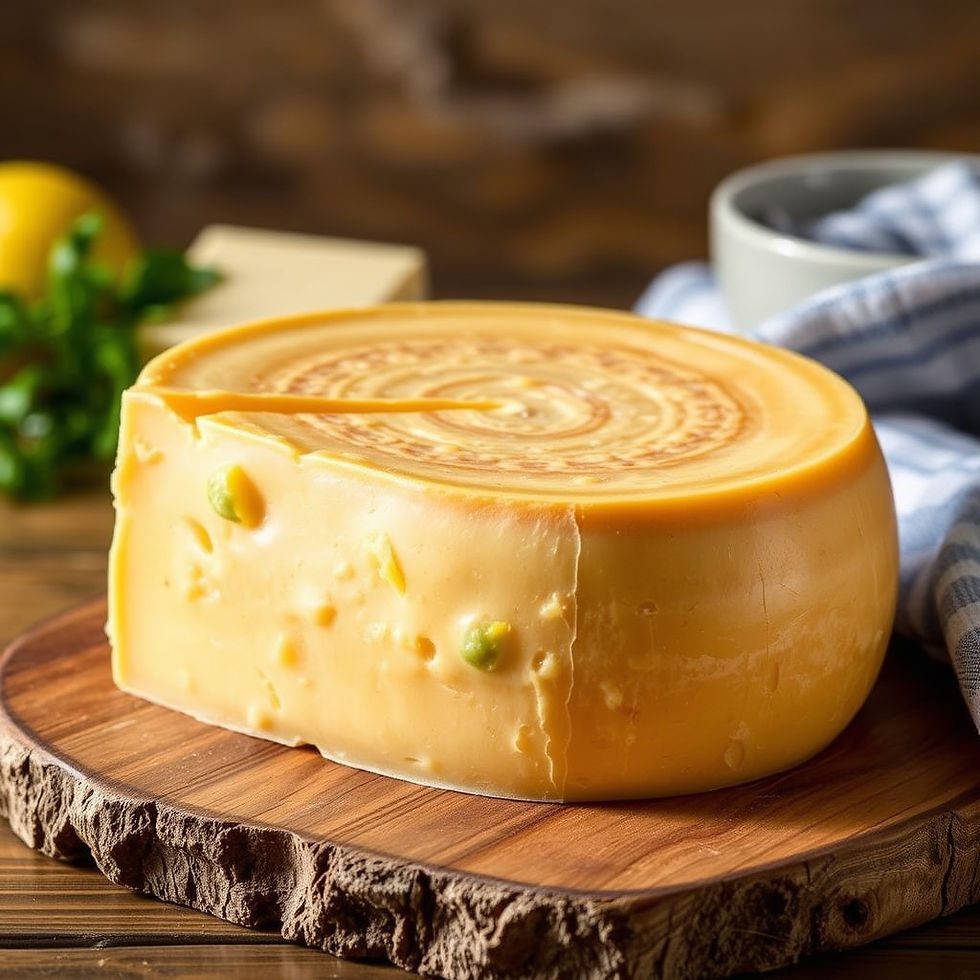
True Parmigiano-Reggiano is deeply protected by European law. Under Protected Designation of Origin (PDO) rules, it can only be produced in a highly specific region of Italy—including Parma and Reggio Emilia—using strict, centuries-old methods, specific cow diets, and a minimum aging process of 12 months.
Yet, walk into an average grocery store outside of Europe, and you'll find endless cardboard tubes labeled "Parmesan" sitting safely on non-refrigerated shelves.
While the full name "Parmigiano-Reggiano" is fiercely guarded by international trade laws, the word "Parmesan" is not legally protected in many parts of the world. This leaves the door wide open for creative imitation.
The Scam
The pre-grated cheese market is a playground for food stretchers. In multiple independent laboratory tests and FDA investigations, supermarket grated "Parmesan" cheeses were found to be heavily cut with cellulose—which is a polite, food-grade term for chemically treated wood pulp.
While a tiny amount of cellulose (around 2% to 4%) is legally allowed in pre-shredded cheese to stop the pieces from clumping together, investigators found several major supermarket brands packing their canisters with up to 8% or 10% wood filler. Even worse, some manufacturers were caught substituting the expensive aged Italian cheese entirely with cheap, un-aged cheddar or Swiss scraps.
How to Spot the Real Deal
Look for the rind stamp: Buy your cheese in solid wedges. Authentic Parmigiano-Reggiano will always have its name repeatedly pin-dotted across the outer hard rind.
Grate it yourself: Buying a solid block and spending 30 seconds with a microplane or box grater at home completely eliminates the risk of hidden wood pulp, tastes infinitely better, and melts smoothly instead of turning chalky.
Saffron and Wasabi: The Ultimate Illusionists
Some agricultural products are so inherently expensive that even a tiny bit of forgery yields a massive payday.

Saffron
Gram for gram, genuine saffron is more expensive than gold. It consists of the delicate, thread-like stigmas of the Crocus sativus flower. Every single thread must be painstakingly harvested by hand at dawn before the sun gets too hot. It takes roughly 75,000 flowers to produce just one single pound of saffron spice.
Because of this astronomical price point, ground saffron is frequently cut with cheap turmeric, paprika, or ground brick dust. When buying whole threads, fraudsters will dry out shredded corn silk, onion strands, or red-dyed cotton threads and mix them into the batch to pad out the weight.

Wasabi
That pungent green paste sitting next to your spicy tuna roll at the local sushi spot? There is a 99% chance it has never been anywhere near a real wasabi plant.
Real wasabi is notoriously difficult and temperamental to cultivate. It requires a continuous supply of cool, pristine, running mountain stream water, shade, and specific rocky soil. Because of this, a single pound of authentic wasabi root can fetch well over $100.
To save money, nearly every sushi restaurant outside of high-end establishments substitutes it with a clever optical illusion: a mix of common industrial horseradish powder, mustard flour, and brilliant green food coloring.
The Takeaway: How to Protect Your Plate
Food fraud is a massive, multi-billion-dollar puzzle, but protecting yourself as a conscious consumer doesn't require a portable mass spectrometer. It just requires changing how you shop.
When it comes to agricultural premium products, the closer you can get to the actual source, the safer your kitchen will be. Opt for whole foods over pre-ground or pre-shredded varieties. Buy whole-bean coffee, purchase blocks of cheese, and look for clear, transparent labeling that details exactly where, when, and by whom your food was grown.
Ultimately, remember the golden rule of the grocery aisle: If a rare, premium agricultural product seems absurdly cheap, you aren't getting a great deal—you are likely just buying a very clever counterfeit.


Comments