
The Bounty of the Bayou: Alligator Farming in Louisiana
When one thinks of Louisiana, images of bubbling gumbo, lively jazz, and sprawling bayous often come to mind. But there's another integral part of Louisiana's culture and economy that may not be as well known: alligator farming. This industry not only serves the luxury fashion and culinary markets but also plays a crucial role in conservation efforts and environmental sustainability. So let's dive into the fascinating history of alligator farming in Louisiana, its current practices, and the exciting changes shaping its future.
A Slippery Start: The History of Alligator Farming in Louisiana
The Beginnings: From Wild Harvest to Farming

The history of alligator farming in Louisiana traces back to the early 1900s when hunters would harvest alligators for their hides and meat, driven primarily by demand in the leather industry and as exotic food. By the mid-20th century, the demand for alligator products had intensified, leading to severe overharvesting and a drastic decline in the wild alligator population. In fact, by the 1960s, Louisiana was at the brink of losing its iconic reptile, with the wild population dwindling to less than 100,000.
Recognizing the impending crisis, the Louisiana Department of Wildlife and Fisheries (LDWF) stepped in to implement regulations. This marked a pivotal shift from reckless hunting to a structured approach to alligator conservation. The legal framework encouraged responsible harvesting and laid the foundation for alligator farming as we know it today.
The Birth of Alligator Farms
The 1980s saw the birth of alligator farms as entrepreneurs saw an opportunity to cultivate alligators rather than solely relying on wild harvesting. The industry began to change dramatically with the incorporation of farming practices, allowing for controlled breeding and harvesting. Farmers would collect alligator eggs from their natural habitats, incubate them, and then raise hatchlings in a safe environment.
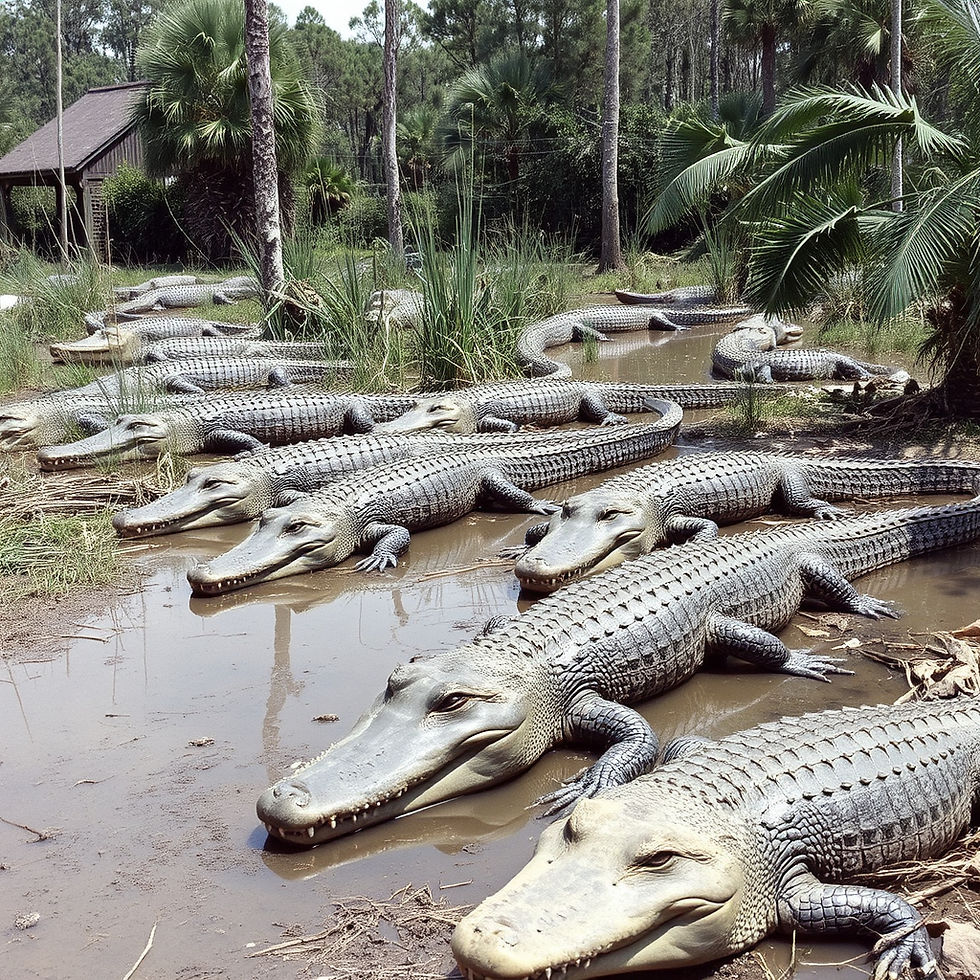
This shift in how alligators were approached from a conservation standpoint illustrated an evolving understanding of wildlife management. The industry quickly turned into one that balanced economic interests with ecological responsibilities.
Sustainable Practices: How Modern Alligator Farming Works
The Egg Collection Process
Today, alligator farming in Louisiana is highly regulated and follows sustainable practices that prioritize conservation. Here's how it works:
1. Egg Collection : During the nesting season, which runs from May to June, farmers collect eggs from wild nests located in marshes and wetlands. Farmers have to obtain permits from the LDWF, ensuring regulations are followed to maintain the health of the wild population.

2. Incubation : Once collected, the eggs are carefully incubated in controlled environments, which significantly boosts hatchling survival rates compared to the wild, where natural predators and environmental conditions result in high mortality rates.
3. Raising : After hatching, the young alligators are raised on farms for about two to three years, until they reach maturity. During this time, they are cared for in secure facilities that protect them from predators and disease.
4. Releasing Back into the Wild : Crucially, once the alligators have reached about four feet in length, farmers return a fixed percentage of healthy alligators back to their natural habitats. This reintroduction not only replenishes the wild populations but aids in repopulation efforts, showcasing one of the industry's significant contributions to conservation.
The Conservation Impact
This conservation approach is central to the industry's sustainability. Since the implementation of these practices, Louisiana's wild alligator population has witnessed an astonishing rebound, growing from fewer than 100,000 in the 1960s to over 3 million today. This growth has allowed for both ecological balance in the marshes and continued economic opportunities for farmers and landowners.
Economic Incentives for Landowners
The alligator farming industry also provides vital revenue streams for private landowners who manage the marshlands. By collecting alligator eggs, landowners financially benefit from preserving their land, ensuring that crucial wetlands and coastal marshes are protected from draining and development. These habitats provide sanctuary not only for alligators but also for various other species, making the conservation model beneficial for the environment as a whole.
Evolving Regulations and Ensuring Traceability
The alligator farming industry in Louisiana operates under a stringent regulatory framework to ensure that all practices are sustainable and ethically sound. The LDWF oversees the entire process, from egg collection to farming and reintroduction, maintaining strict guidelines that protect both the alligators and their habitats.
Strict Traceability Measures
A significant aspect of this regulatory oversight is the traceability of farm-raised alligator products. Each farm-raised hide is tagged with a serialized, yellow tag that allows authorities to trace its origin globally. This measure helps combat illegal poaching, making it financially unviable for those who might seek to exploit wildlife outside of legal channels. Enforcement of these regulations helps to ensure that the alligator farming industry in Louisiana remains reputable and sustainable.
The Alligator Fashion Statement: From Swamp to Catwalk

One surprising aspect of alligator farming is its influence on the luxury fashion industry. The hides are prized materials used in high-end products like handbags, belts, and shoes. Designers have long sought the unique texture and durability of alligator leather, making it a coveted choice for luxury items.
In addition to fashion, alligator meat is also a delicacy in Southern cuisine, incorporating it into stews, gumbos, and grilled dishes. The meat, often described as a cross between chicken and fish, has grown in popularity both in Louisiana and across the U.S., showcasing the versatility of this unique animal.
Recent Changes: Challenges and Innovations
While the alligator farming industry in Louisiana thrives, it is not without its challenges. Climate change has begun to affect the delicate balance of natural habitats, impacting egg collection and the overall health of wild populations. Changes in rainfall, rising sea levels, and increased hurricane activity can pose significant risks to both farms and wild populations.
The industry is fortunate to benefit from ongoing research and innovation, particularly from institutions like Louisiana State University (LSU) and the LSU AgCenter. Researchers are exploring advanced farming techniques, genetics, and habitat restoration strategies to support sustainable practices further.
Research and Technological Advances
Particularly crucial are genetic studies aimed at improving the resilience of alligator populations to environmental stresses. Researchers at LSU are examining alligator genetics to identify traits that could make them more adaptable to changing climates, ultimately supporting the farming sector and conservation initiatives.
Through ongoing research, Louisiana's alligator farmers and conservationists continue to refine their practices, ensuring that they remain at the forefront of sustainable wildlife management.
Looking Ahead: The Future of Alligator Farming
The future of alligator farming in Louisiana looks bright, with potential for growth and further integration with conservation efforts. As the state continues to balance wildlife management with economic incentives, alligator farming stands as a model for sustainable use of natural resources.
Encouraging Responsible Practices
As consumer awareness regarding sustainability increases, more people are likely to seek ethically sourced products — and Louisianan alligator farmers are well-prepared to meet this demand. By promoting their sustainable farming practices, farmers can connect with consumers who value responsible sourcing, thus supporting both the economy and conservation efforts.
Collaborations and Partnerships
Future collaborations between farmers, researchers, and conservation organizations will be essential in continuing to build a responsible, sustainable framework for alligator farming. Shared knowledge and resources will allow for the continuous development of practices that support both the industry and the health of ecologically important marsh ecosystems.
A Cultural Heritage and Economic Asset
As we look to the future, alligator farming will undoubtedly remain a cultural heritage and economic asset for Louisiana. By continuing progress in conservation efforts, sustainable practices, and responsible sourcing, the industry can ensure that alligators — and Louisiana’s vibrant ecosystem — thrive for generations to come.
Conclusion: The Legacy of Louisiana's Alligator Farmers
In summary, alligator farming in Louisiana has emerged from a troubled past into a well-regulated, conservation-focused industry that benefits not only the economy but the ecosystems of the bayous and marshlands. Through sustainable practices, innovative research, and strict regulations, Louisiana has successfully turned a story of near extinction into one of resurgence and resilience. The journey of the alligator — from wild marshes to farms and back again — is a testament to the community's dedication to balancing tradition with modern conservation efforts. Just as an alligator basks in the sun, the future of the industry's sustainable practices shines bright on the horizon.


Comments